Night Mode, Blue Light and Bedtime: What Actually Protects Your Sleep
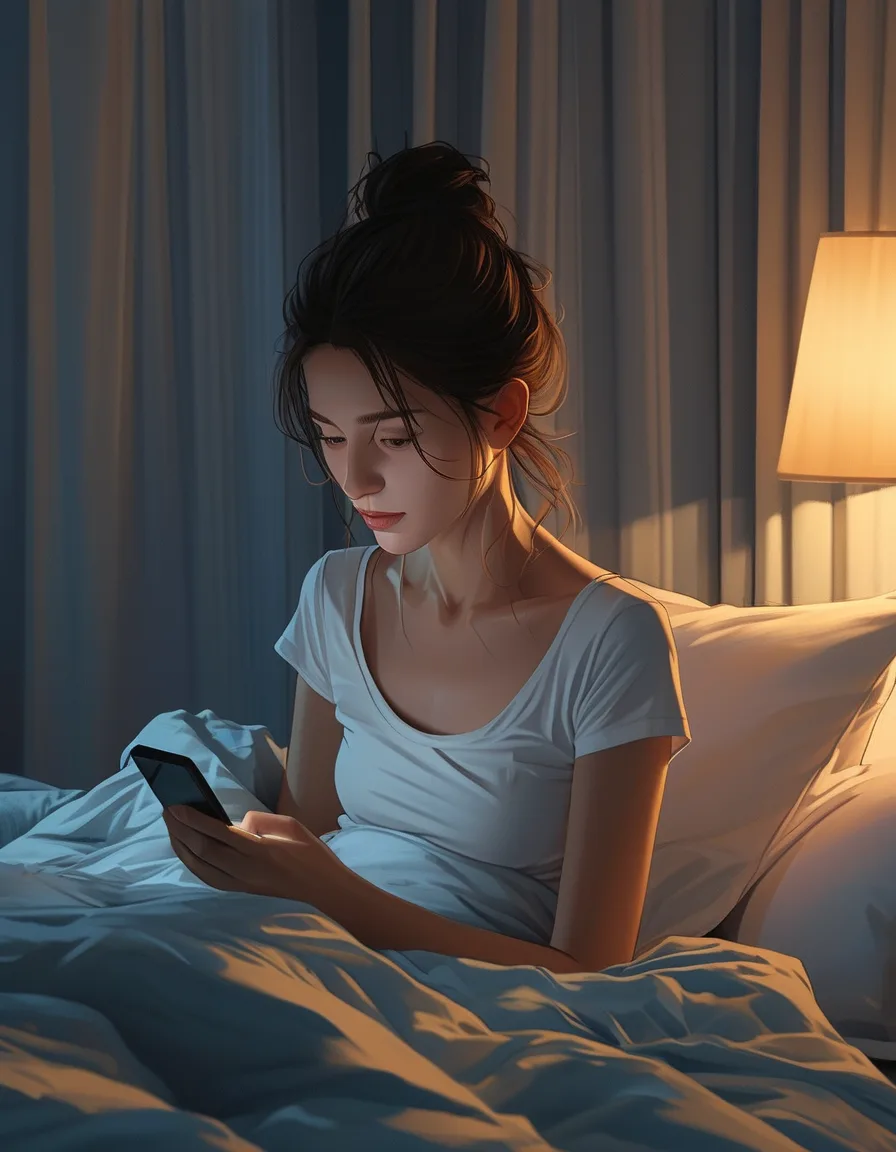
Night mode arrived with a promise: tint the screen orange and bedtime scrolling becomes harmless. The evidence says something more annoying: the tint helps a little, the LIGHT matters some, and the CONTENT — the scroll itself — was the bigger thief all along. The honest bedtime-screen protocol.
The Tint Evidence
Studies on night-mode filters show modest-at-best melatonin protection — the orange shift reduces the blue wavelengths but screen brightness and proximity still signal daytime. Night mode is a seatbelt, not a force field: worth enabling, worth not trusting alone.
The Content Confession
The bigger sleep thief is engagement: the feed’s infinite next-thing keeps arousal up regardless of tint (the brain doom-scrolling in amber is still doom-scrolling). The one-more-video mechanism delays bedtime more reliably than any wavelength — the scroll steals the hour; the blue light just tips the doorman.
The Distance-and-Dimness Dials
If screens attend the wind-down: brightness floor-low, held farther than instinct (light dose falls fast with distance), and passive content over interactive (the episode beats the feed — endings exist). The e-reader tier (dim, paper-like) sits closest to innocent.
The Last-Hour Protocol
The version that actually protects sleep: screens done an hour before bed most nights (the book, the stretch, the journal inherit the slot), the phone charging OUTSIDE the bedroom (the 3am check dies with the arm’s reach), and night mode enabled as the harm-reduction layer for the exceptions. The tint was never the plan — it was the plan’s apology.
Enable the tint, dim and distance, but retire the scroll an hour out. Night mode answered the wrong question — the sleep was never about the color of the screen; it was about who ends the evening, you or the feed.
Keep Reading
This article is for general informational purposes only and is not medical advice. Always consult a qualified health professional for guidance specific to you.